
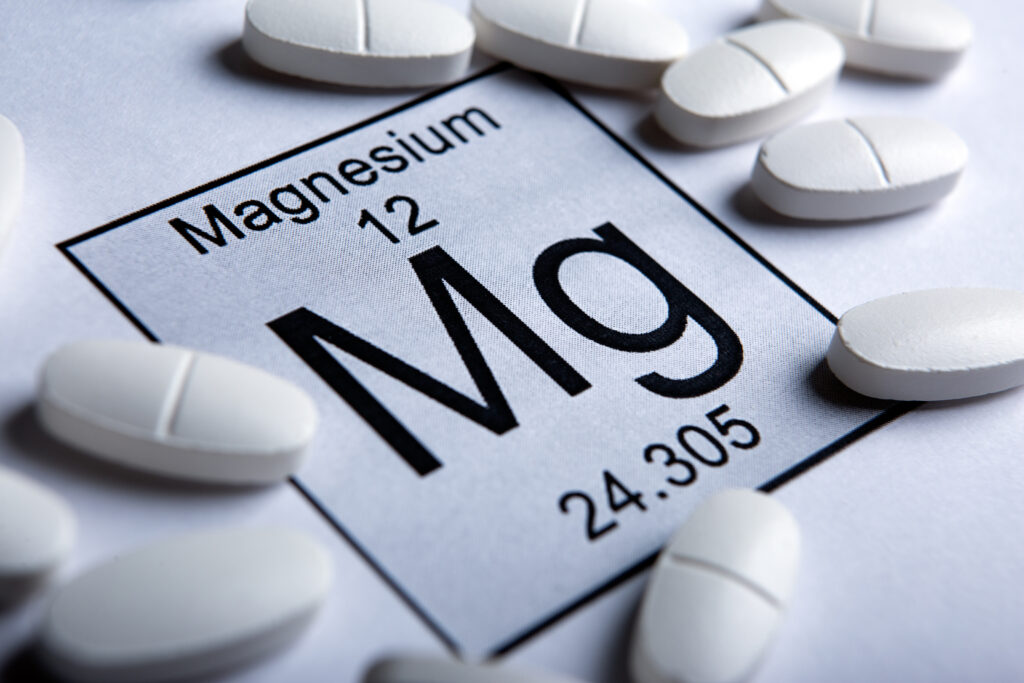
Magnesium is one of the most essential minerals in the human body, involved in over 300 biochemical processes that affect everything from muscle and nerve function to hormone balance and sleep quality. Despite its importance, magnesium deficiency is incredibly common—especially in women—due to factors like chronic stress, nutrient-depleted soil, poor diet, and certain medications.
If you’re struggling with symptoms like fatigue, mood swings, anxiety, insomnia, muscle tension, or constipation, low magnesium could be playing a role. Understanding the different forms of magnesium supplements can help you choose the best option for your specific symptoms and support your overall wellness—especially during perimenopause and menopause when the demand for magnesium increases.
Let’s take a deeper look at the most commonly used forms of magnesium, what they do in the body, and how to choose the right one for your needs.
Why Magnesium Is Especially Important for Women in Midlife
Magnesium supports a wide range of bodily systems, but it plays a particularly important role in women’s health. It helps regulate the nervous system, stabilize mood, ease muscle tension, support bone density, and even assist in estrogen metabolism. For women navigating hormonal shifts in perimenopause and menopause, magnesium can help reduce the intensity of symptoms such as hot flashes, anxiety, insomnia, and bloating. It also plays a role in cardiovascular and metabolic health, both of which are increasingly important with age.
Understanding the Different Forms of Magnesium
Magnesium glycinate, also known as bisglycinate, is one of the most well-tolerated and effective forms of magnesium, particularly for those dealing with stress, anxiety, or trouble sleeping. This form is chelated, meaning the magnesium is bound to the amino acid glycine, which has naturally calming properties. This combination allows for excellent absorption without the laxative effect that some other forms can cause. Many people find that magnesium glycinate helps promote a sense of relaxation, eases muscle tension, and improves sleep quality. Because it is gentle on the stomach, it’s a good choice for those who may be sensitive to other supplements or dealing with digestive issues.
Magnesium citrate is another widely used form that is often recommended for its effectiveness in promoting regular bowel movements. This form binds magnesium with citric acid, which improves its absorption in the body and gives it a mild laxative effect. It’s particularly helpful for those who struggle with constipation, though it may cause loose stools if taken in higher doses. In addition to its digestive benefits, magnesium citrate still supports many of the essential roles magnesium plays in the body, including muscle function and nerve signaling.
Magnesium threonate stands out because it has the unique ability to cross the blood-brain barrier, making it a top choice for supporting cognitive function. This form is particularly beneficial for individuals experiencing brain fog, forgetfulness, or mental fatigue—symptoms that can become more common during perimenopause and menopause. Magnesium threonate may enhance memory, learning, and overall mental clarity, making it an excellent option for anyone focused on brain health or healthy aging.
Magnesium malate is often recommended for individuals dealing with chronic fatigue, fibromyalgia, or persistent muscle soreness. In this form, magnesium is bound to malic acid, a compound involved in energy production within the cells. This combination can help reduce muscle pain and increase energy levels by supporting the production of ATP, the body’s main energy molecule. It’s a great fit for those who wake up feeling unrefreshed, struggle with energy crashes throughout the day, or have muscle tightness that doesn’t respond well to other interventions.
Magnesium taurate is ideal for those focused on cardiovascular health. It combines magnesium with taurine, an amino acid that plays an important role in regulating blood pressure, supporting healthy heart rhythm, and maintaining proper electrolyte balance. This form is calming to both the heart and nervous system, and may be beneficial for individuals with high blood pressure, heart palpitations, or other cardiovascular concerns. It’s a gentle and targeted option for those looking to support long-term heart health.
Magnesium oxide is one of the most common and inexpensive forms of magnesium, but it’s also one of the least absorbable. It contains a high percentage of elemental magnesium, but much of it passes through the digestive tract without being fully absorbed. That said, it can be effective as a short-term remedy for constipation due to its strong laxative effect. It is not ideal for correcting a magnesium deficiency or for long-term use, especially in those with sensitive digestion.
Magnesium sulfate, more commonly known as Epsom salt, is primarily used externally rather than orally. When added to a warm bath, magnesium sulfate can be absorbed through the skin to help ease muscle tension, reduce inflammation, and promote relaxation. Epsom salt baths are a popular way to unwind after a stressful day or strenuous workout, and while absorption through the skin is not as efficient as oral supplementation, it still offers benefits—especially for localized aches and general stress relief.
How to Choose the Right Magnesium Supplement
The best magnesium supplement for you depends on your symptoms and health goals. If you’re struggling with anxiety, sleep issues, or chronic stress, magnesium glycinate is typically a great starting point. For constipation, magnesium citrate works well and can offer quick relief. If cognitive health and mental clarity are priorities, especially during midlife, magnesium threonate may be your best choice. For muscle fatigue and energy issues, magnesium malate is ideal, while magnesium taurate supports heart health and blood pressure regulation. Magnesium oxide may be used short-term for occasional constipation but isn’t recommended for ongoing supplementation. And if you’re simply looking to relax sore muscles, an Epsom salt bath using magnesium sulfate can be a soothing addition to your routine.
How Much Magnesium Do You Need?
Most adult women need around 300–400 mg of elemental magnesium daily, though individual needs can vary depending on age, stress levels, and overall health. It’s best to start with a lower dose and gradually increase as needed, paying attention to how your body responds. Loose stools can be a sign you’re taking too much or that you need to switch to a more absorbable form. Taking magnesium with food can enhance absorption and reduce any risk of stomach upset.
Important Considerations and Interactions
Magnesium supplements can interact with certain medications, including proton pump inhibitors (PPIs), diuretics, some antibiotics, and medications for osteoporosis. It can also interfere with the absorption of calcium, iron, and some medications if taken at the same time. Be sure to talk to your healthcare provider before starting magnesium, especially if you are taking prescription medications or managing a chronic condition.
Final Thoughts: Magnesium Is a Must for Midlife Wellness
Magnesium is truly one of the most underrated tools for women’s health. It supports the nervous system, balances hormones, aids in digestion, and even protects your brain and heart. During perimenopause and menopause, when your body is going through major hormonal shifts, magnesium becomes even more essential. The right form of magnesium can ease symptoms, restore calm, and help you feel more like yourself again.