
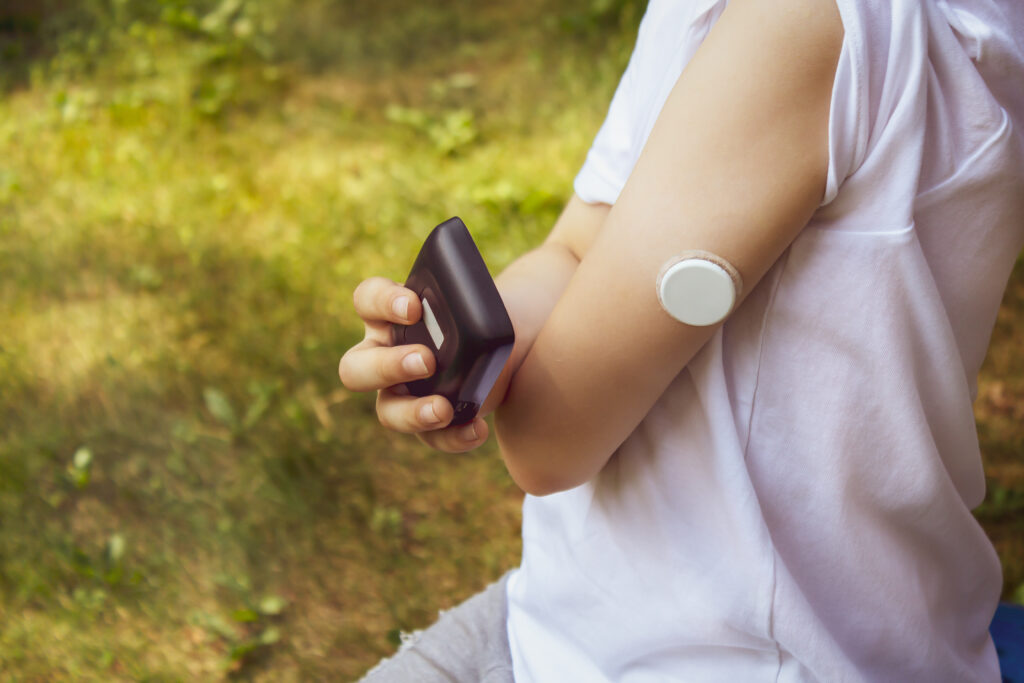
When most people think of continuous glucose monitors (CGMs), they picture them as tools for people living with diabetes. And that’s true—these devices were originally developed to help track blood sugar in people who need insulin.
But over the last few years, CGMs have gained popularity among athletes, biohackers, health-conscious individuals, and even busy professionals looking for more control over their energy, weight, and overall well-being. Why? Because the data these little sensors provide is surprisingly powerful—even if you don’t have diabetes.
Imagine being able to see how that morning latte, your stressful meeting, or your late-night workout affects your blood sugar in real time. Instead of guessing which foods fuel you best, or why you hit a mid-afternoon slump, you get immediate answers. That’s the promise of CGMs.
So, what exactly can a CGM do for you—and why might it be worth trying? Let’s dive in.
What is a CGM?
A continuous glucose monitor is a small wearable device that tracks your glucose levels in your interstitial fluid (the fluid between your cells) every few minutes, around the clock.
Here’s how it works:
- A tiny sensor, about the size of a hair, is inserted just under the skin—usually on the back of the arm or abdomen.
- That sensor connects to a small transmitter, which sends data to your smartphone or reader.
- You see your glucose trends in real time, along with graphs that help you spot spikes, crashes, and patterns you might otherwise miss.
Unlike finger-stick glucose meters, a CGM doesn’t just give you snapshots. It paints a full picture of how your blood sugar behaves 24/7.
Why Should Non-Diabetics Monitor Glucose?
You might be thinking: If I don’t have diabetes and my labs are normal, why bother?
The truth is, your fasting glucose or HbA1c (average blood sugar over 3 months) can look fine, while your body is still experiencing daily spikes and dips that affect:
- Energy (those “wired then tired” feelings)
- Mood and focus (brain fog after lunch, irritability when “hangry”)
- Cravings (especially for sweets or quick carbs)
- Sleep quality (nighttime wake-ups linked to blood sugar dips)
- Long-term health (since glucose swings contribute to inflammation and aging)
In short: glucose isn’t just a diabetes issue—it’s a metabolic health issue. And since metabolic health underlies everything from weight management to hormone balance, glucose patterns matter for everyone.
What Information Can a CGM Give You?
Here are some of the most useful insights CGMs provide:
Post-Meal Glucose Response
You’ll discover how your body responds to different foods. That “healthy” oatmeal might send your blood sugar soaring, while eggs and sourdough toast keep you steady for hours. Everyone is unique—and a CGM helps you figure out what works for you.
Glycemic Variability
This refers to how much your glucose levels fluctuate throughout the day. High ups and downs are linked to inflammation, fatigue, and even weight gain. Keeping glucose steady translates to more consistent energy and mood.
Time in Range (TIR)
This is the percentage of time your glucose stays within a healthy window—typically 70–110 mg/dL for non-diabetics. The more time you spend “in range,” the better your metabolic resilience.
Exercise Response
Workouts affect glucose in different ways. High-intensity sessions can spike glucose temporarily, while long endurance training can cause dips. CGM data helps you fuel before, during, and after exercise for performance and recovery.
Sleep and Stress Effects
Didn’t sleep well? Feeling stressed? You’ll likely see it in your glucose curve. Sleep deprivation and stress hormones can raise blood sugar—sometimes as much as food. Seeing this in real time is a wake-up call to manage lifestyle factors beyond diet.
How Can This Help You Make Better Food and Exercise Choices?
The beauty of CGMs isn’t just the numbers—it’s how those numbers guide your everyday choices. Here’s how people use them:
1. Personalize Your Diet
No more “one-size-fits-all” nutrition. CGM data shows which foods trigger spikes for you. Maybe bananas send you soaring, while berries don’t. Or perhaps pairing carbs with protein and fat keeps you more stable. Small tweaks can make a big difference.
2. Control Cravings and Energy Dips
That 3 p.m. slump? It might be a glucose crash from your lunch. Once you identify those patterns, you can adjust meals to keep your energy (and productivity) steady throughout the day.
3. Improve Workout Nutrition
Endurance athletes use CGMs to see when to refuel, while strength trainers monitor recovery. Even recreational exercisers can learn the best snacks to avoid mid-workout crashes or post-workout over-eating.
4. Support Weight and Hormonal Health
Stable glucose supports fat metabolism and hormone balance. This is especially important for women in midlife, where glucose swings can worsen hot flashes, mood changes, and belly fat. For people with PCOS, stabilizing glucose can also improve symptoms.
5. Enhance Long-Term Health
Even in people without diabetes, repeated glucose spikes accelerate aging, inflammation, and chronic disease risk. Using a CGM helps you build habits now that protect your future health.
Final Thoughts
Wearing a CGM is like having a personal metabolic coach on your arm. It’s not about obsessing over numbers—it’s about learning how your body works and making smarter choices.
Most people only need to wear a CGM for 2–4 weeks to gather insights. In that short time, you’ll likely discover a handful of surprising patterns—and a few simple tweaks that could change how you feel every single day.
Your body is already giving you signals. A CGM just helps you see them more clearly.
So if you’ve ever wondered why you feel sluggish after certain meals, why cravings hit at certain times, or how to fuel workouts better—consider a CGM trial. The clarity you gain may transform the way you think about food, fitness, and your future health.