
GLP-1 medications like semaglutide (Ozempic/Wegovy) and tirzepatide (Mounjaro/Zepbound) have revolutionized the treatment of obesity and type 2 diabetes. By targeting satiety and appetite regulation, they help many people finally experience meaningful, sustainable weight loss. But medications are just one part of the puzzle.
Nutrition plays a vital role in ensuring long-term success—supporting fat loss (not just weight loss), preserving muscle mass, maintaining metabolic health, and helping you feel your best. If you’re using a GLP-1, here’s why what you eat still matters and how to optimize your nutrition at every stage.
1. Weight Loss vs. Fat Loss: Why Nutrition Still Matters
Many people mistakenly believe that once they start a GLP-1, they no longer have to think about diet. While these medications reduce appetite and often lead to lower calorie intake, not all weight loss is equal.
Without adequate nutrition—especially protein and resistance training—a significant portion of weight lost can come from lean muscle mass, not fat. That’s a problem.
Muscle isn’t just for athletes. It helps regulate blood sugar, supports metabolism, improves strength and function, and even protects against aging. Losing muscle may lead to fatigue, reduced mobility, and a slower metabolism over time.
Key takeaway: Weight loss on GLP-1s is most beneficial when it’s predominantly fat loss, with muscle preserved. Nutrition is the foundation.
2. Preserving Muscle While on GLP-1s
When calories are restricted, the body turns to internal energy stores—but it doesn’t just burn fat. Without sufficient protein and physical activity, the body may break down muscle to meet its needs.
To prevent this:
- Prioritize protein with every meal
- Incorporate resistance training (weight lifting, bands, bodyweight exercises) 2–4x/week
- Avoid very low-calorie diets that leave little room for nutrient intake
- Consider protein supplements if appetite or nausea makes whole food intake difficult
This is especially important on GLP-1s, where early fullness and delayed gastric emptying can limit how much food you can comfortably eat.
3. Protein: Your Muscle’s Best Friend
Protein is essential for preserving lean mass, supporting immune function, and keeping you full between meals.
General goals:
Aim for 0.8 to 1.2 grams of protein per pound of ideal body weight daily. For many, this ranges from 80–120+ grams per day, depending on activity level, age, and goals.
High-quality protein sources include:
- Animal-based: chicken, turkey, lean beef, fish (like salmon, tilapia, shrimp), eggs, Greek yogurt, cottage cheese
- Plant-based: tofu, tempeh, edamame, legumes, quinoa, chia and hemp seeds
- Protein supplements: whey, casein, collagen peptides, and plant-based blends (pea, rice, hemp)
If you’re struggling with appetite or nausea, supplemental protein shakes or powders can be incredibly helpful. Look for those with 20–30 grams of protein per serving, low added sugars, and minimal artificial ingredients.
4. Choosing the Right Nutrition Plan
There’s no one-size-fits-all approach—but certain principles are particularly effective when on GLP-1 therapy:
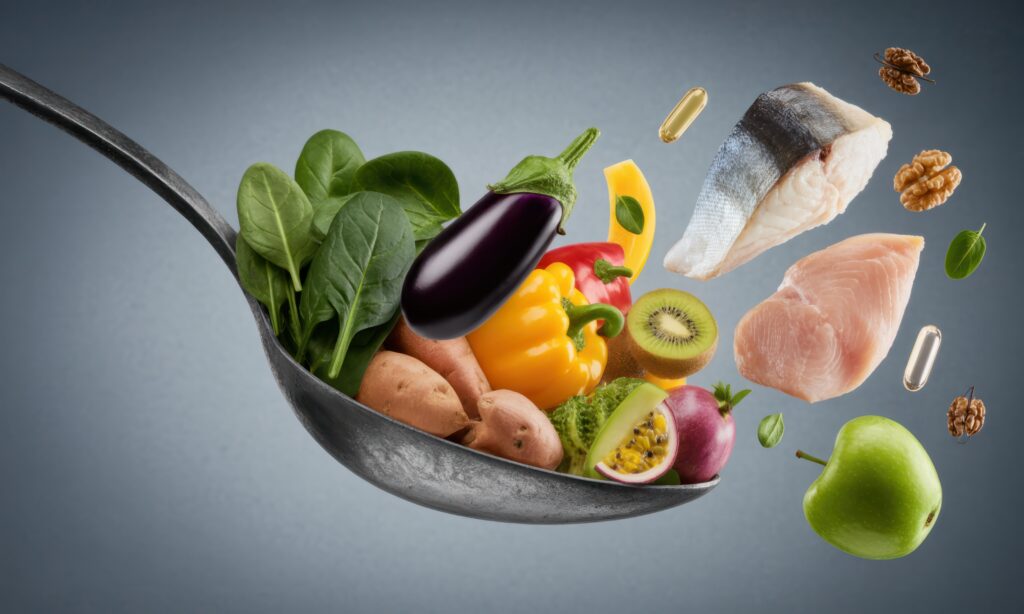
- Mediterranean-style eating: rich in lean protein, healthy fats (olive oil, avocado, nuts), whole grains, and colorful vegetables
- Low-glycemic focus: helps stabilize blood sugar and energy levels
- Anti-inflammatory foods: limit processed foods, seed oils, added sugars, and refined carbs
- Flexible structure: you don’t need to eat 6 meals a day—many GLP-1 users benefit from smaller, more frequent meals or intentional meal timing like time-restricted eating
Most importantly, your nutrition plan should be sustainable, enjoyable, and realistic within your lifestyle.
5. Supplements: Helpful Additions, Not Substitutes
While whole foods should be the foundation, supplements can play a role—especially when appetite is suppressed:
- Protein powders to help meet daily needs
- Multivitamins to fill in gaps
- Omega-3s for heart and brain health
- Magnesium and Vitamin D for muscle and metabolic function
- Creatine (especially for women 40+) to support strength, cognition, and lean mass
Work with your provider to individualize your supplement strategy.
6. What Success Really Looks Like
The goal of GLP-1 therapy isn’t just a smaller number on the scale. It’s improved energy, confidence, blood sugar control, reduced risk of chronic disease, and better quality of life.
But sustainable results come from supporting your body with the right nutrients, staying active, and working with a provider who understands the full picture. Medications can help you get there, but they’re not magic on their own.
Final Thoughts:
If you’re on a GLP-1 or considering it, don’t neglect your nutrition. Protect your muscle, nourish your metabolism, and give your body the tools it needs to thrive—not just survive. And if you’re unsure where to start, working with a clinician trained in obesity medicine and metabolic health can make all the difference.