
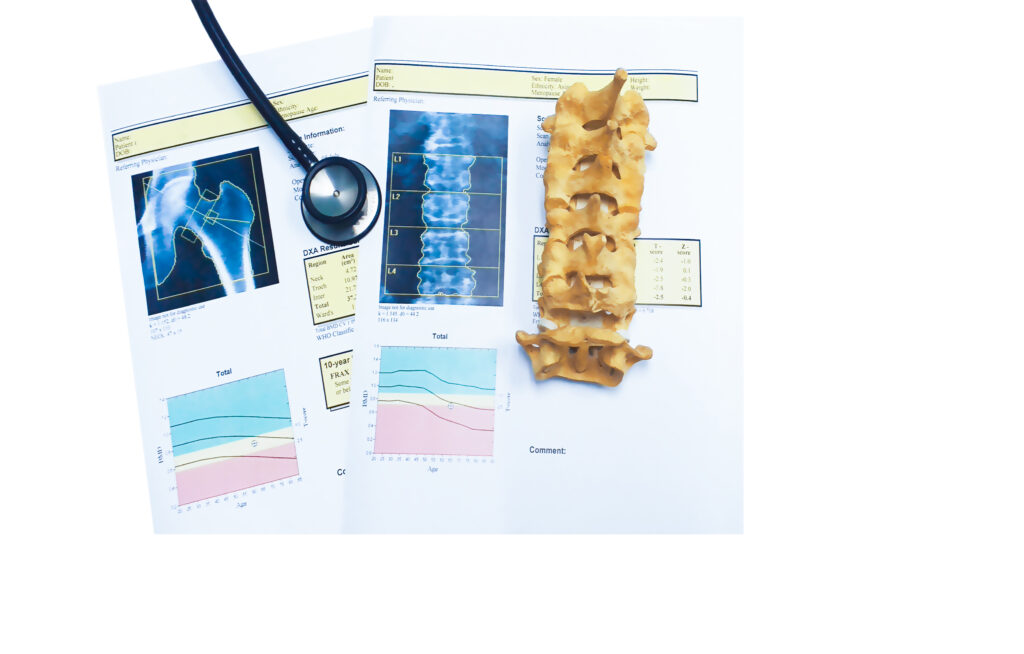
Osteoporosis is often called a “silent disease” because it can progress without obvious symptoms—until a fracture occurs. Yet it affects millions of people, especially women, and has serious long-term consequences if not recognized and treated early. Understanding what osteoporosis is, who’s at risk, and how it’s connected to menopause can help you take steps to protect your bone health.
What Is Osteoporosis?
Osteoporosis is a condition in which bones become weakened, brittle, and more likely to fracture. It occurs when the body loses too much bone, makes too little bone, or both. As bone density decreases, bones lose strength and become more porous, increasing the risk of fractures—even from minor falls or everyday movements.
Risk Factors for Osteoporosis
Several factors contribute to the development of osteoporosis. Some are non-modifiable, while others can be influenced by lifestyle or medical treatment.
Non-Modifiable Risk Factors:
• Female sex
• Older age (especially 65 and above)
• Postmenopausal status
• Family history of osteoporosis or fractures
• Low body weight or small body frame
• Caucasian or Asian ethnicity
Modifiable Risk Factors:
• Low calcium and vitamin D intake
• Sedentary lifestyle
• Smoking
• Excessive alcohol use
• Chronic use of corticosteroids
• Certain medical conditions (e.g., rheumatoid arthritis, celiac disease, thyroid disorders)
Symptoms of Osteoporosis
Osteoporosis is often asymptomatic until a fracture occurs. However, some signs may indicate bone loss:
• Loss of height over time
• Stooped posture (kyphosis)
• Back pain due to vertebral compression fractures
• Fragility fractures—particularly of the hip, spine, or wrist
These fractures can lead to decreased mobility, chronic pain, loss of independence, and, in older adults, increased risk of mortality.
How Is Osteoporosis Diagnosed?
The primary diagnostic tool for osteoporosis is a bone mineral density (BMD) test, typically done using dual-energy X-ray absorptiometry (DEXA or DXA scan). This scan measures bone density at the spine and hip and compares it to the average for a healthy young adult (T-score).
• Normal: T-score ≥ -1.0
• Osteopenia (low bone mass): T-score between -1.0 and -2.5
• Osteoporosis: T-score ≤ -2.5
Additional assessments may include:
• Blood tests to evaluate calcium, vitamin D, thyroid function, and markers of bone turnover
• Vertebral imaging to detect silent spinal fractures
Osteoporosis and Menopause
Estrogen plays a critical role in maintaining bone density. After menopause, estrogen levels decline significantly, accelerating bone loss. In fact, women can lose up to 20% of their bone density in the first 5–7 years after menopause.
This makes postmenopausal women particularly vulnerable to osteoporosis and related fractures. Early menopause (before age 45), surgical menopause (due to oophorectomy), and long periods without menstruation (such as from eating disorders or excessive exercise) can all increase the risk.
Treatment Options for Osteoporosis
Treatment is individualized based on bone density results, fracture risk, and overall health. Goals include slowing bone loss, preventing fractures, and maintaining or improving bone strength.
Lifestyle Measures
• Weight-bearing and resistance exercises to stimulate bone formation
• Adequate calcium intake (1,200 mg/day for postmenopausal women)
• Vitamin D supplementation (800–1,000 IU/day or more based on levels)
• Fall prevention strategies to reduce fracture risk
• Smoking cessation and limiting alcohol use
Medications
Several FDA-approved medications are available for osteoporosis, including:
• Bisphosphonates (e.g., alendronate, risedronate, zoledronic acid): Slow bone breakdown
• Denosumab: A monoclonal antibody that reduces bone resorption
• Selective estrogen receptor modulators (SERMs): Mimic estrogen’s bone-protective effects
• Hormone therapy: Estrogen (or estrogen/progestin) therapy for menopausal symptom relief and bone protection
• Anabolic agents (e.g., teriparatide, abaloparatide, romosozumab): Stimulate new bone formation in high-risk patients
The choice of treatment depends on individual risk factors, medical history, and tolerance for specific medications.
Taking Charge of Your Bone Health
The earlier you address bone health, the better. Women approaching menopause should consider a bone density assessment, especially if other risk factors are present. Bone loss can be slowed—or even reversed—with proper care, monitoring, and lifestyle choices.
If you’re postmenopausal or concerned about osteoporosis risk, talk to your healthcare provider about screening, prevention, and treatment options. Protecting your bones today helps maintain mobility, independence, and quality of life for years to come.