
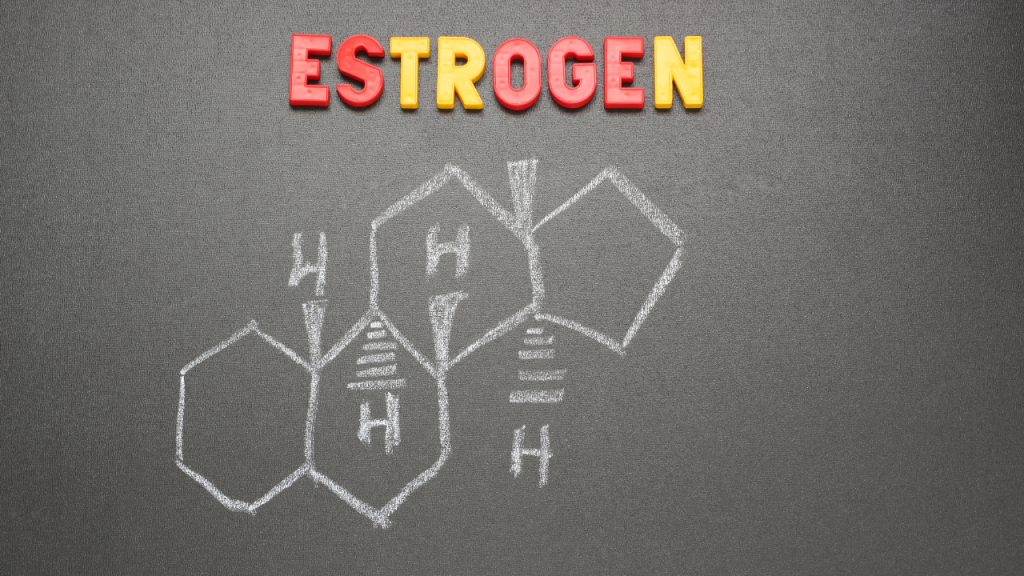
For many women, the transition into perimenopause and menopause can feel like the rug has been pulled out from under them. You may be sleeping poorly, gaining weight despite doing “all the right things,” snapping at loved ones without knowing why, or simply not feeling like yourself anymore. Much of this change can be traced back to one key hormone: estrogen.
While estrogen is often reduced to its role in reproduction, it is in fact a master regulator throughout a woman’s body. Understanding estrogen’s many roles—and what happens when it declines—is critical to making informed choices about hormone replacement therapy (HRT). Let’s break it down.
The Many Roles of Estrogen in the Body
Estrogen is not just a “sex hormone.” It is essential to the health and function of virtually every system in a woman’s body:
- Brain: Supports mood, memory, cognition, and sleep regulation.
- Bones: Helps maintain bone density and prevent osteoporosis.
- Cardiovascular system: Promotes healthy cholesterol levels and arterial flexibility, supporting heart health.
- Skin and hair: Maintains elasticity, hydration, and hair growth.
- Bladder and vagina: Maintains tissue strength, moisture, and pH balance, reducing urinary tract infections and painful intercourse.
- Metabolism: Regulates body fat distribution, insulin sensitivity, and energy balance.
- Immune system: Plays a role in modulating inflammation and immune responses.
What Happens When Estrogen Declines?
Estrogen levels begin to fluctuate during perimenopause, the years leading up to menopause. This transition can begin as early as your late 30s or early 40s and last for several years. Menopause is defined as 12 months without a menstrual period, typically occurring around age 51.
As estrogen declines, you may experience:
- Hot flashes and night sweats
- Sleep disturbances
- Mood swings, anxiety, or depression
- Brain fog and difficulty concentrating
- Weight gain or changes in body composition
- Low libido
- Vaginal dryness and pain with intercourse
- Urinary urgency or recurrent infections
- Joint pain or stiffness
- Dry skin and thinning hair
These symptoms can range from mildly annoying to profoundly disruptive. For many women, they affect work, relationships, confidence, and overall quality of life.
When to Consider Estrogen Replacement Therapy
Estrogen therapy is not one-size-fits-all, but there are clear indications for considering it:
- Moderate to severe menopausal symptoms such as hot flashes, insomnia, or mood issues
- Early menopause (before age 45) or premature ovarian insufficiency (before age 40)
- Prevention or treatment of osteoporosis, especially in women who cannot tolerate or do not respond to other medications
- Genitourinary syndrome of menopause (vaginal dryness, irritation, painful intercourse, or urinary issues)
- Support during the perimenopausal transition, especially in symptomatic women under age 60 or within 10 years of menopause
Forms of Estrogen Replacement
Estrogen therapy can be customized based on symptoms, health history, and preferences. Common forms include:
- Transdermal estrogen (patches, gels, sprays): Absorbed through the skin; avoids first-pass metabolism by the liver and has a lower risk of blood clots.
- Oral estrogen (pills): Convenient but may slightly increase risk of clotting and affect liver proteins.
- Vaginal estrogen (creams, tablets, rings): Low-dose and targeted for genitourinary symptoms; minimal systemic absorption.
In women with a uterus, progesterone is typically prescribed alongside estrogen to protect the uterine lining from overgrowth and reduce the risk of endometrial cancer.
Is Estrogen Safe? Debunking the Myths
Many women—and even some providers—still carry lingering fear from the early 2000s headlines surrounding the Women’s Health Initiative (WHI). The WHI was the largest study of hormone therapy in postmenopausal women, but it was poorly communicated and widely misunderstood.
Key takeaways from more recent research and re-analysis of WHI data include:
- Estrogen does not increase the risk of breast cancer when started early in the menopausal transition.
- Estrogen does not increase the risk of heart disease when started in healthy women under age 60 or within 10 years of menopause (this is known as the “timing hypothesis”).
- Transdermal estrogen and bioidentical progesterone have low risk profiles for blood clots and cardiovascular events.
- Estrogen therapy reduces all-cause mortality when initiated appropriately.
The North American Menopause Society (NAMS), American College of Obstetricians and Gynecologists (ACOG), and other leading organizations now endorse estrogen therapy as a safe and effective option for many women.
Benefits of Estrogen Replacement Therapy
When used appropriately, estrogen therapy can:
- Eliminate hot flashes and night sweats
- Improve sleep quality and energy
- Enhance mood and reduce anxiety or depression
- Restore libido and sexual comfort
- Support brain function and memory
- Preserve bone density and reduce fracture risk
- Improve skin elasticity and hair quality
- Reduce the risk of Type 2 diabetes and metabolic syndrome
- Support heart health in early postmenopause
Perhaps most importantly, it can help women feel like themselves again—clearer, calmer, stronger, and more resilient.
Final Thoughts
Estrogen is not just a reproductive hormone—it’s foundational to a woman’s entire physiology. When estrogen levels decline, the impact is widespread, but it doesn’t have to be endured in silence or brushed off as “just part of getting older.”
If you’re struggling with symptoms of perimenopause or menopause, you’re not alone—and you have options. Estrogen therapy, when individualized and carefully managed, is one of the most effective tools we have to support long-term health and well-being during this transition and beyond.
Always consult with a knowledgeable provider who stays up to date on the latest research and guidelines. The goal isn’t just symptom control—it’s helping you thrive in this next phase of life.
Ready to feel like yourself again? Talk to your healthcare provider—or better yet, find one who specializes in menopause care—and start the conversation about whether estrogen therapy is right for you.